When people think about creating a comfortable home, they often focus on furniture, paint colors, lighting, or smart appliances. However, one of the most important parts of a healthy home is something many homeowners rarely think about—ventilation. A good home ventilation system helps remove stale air, control moisture, reduce indoor pollutants, and keep fresh air flowing throughout your house.
Whether you’re building a new home, renovating an existing one, or simply trying to improve indoor air quality, understanding how home ventilation works is essential. The good news is that you don’t need to be an HVAC expert to understand the basics.
This beginner-friendly guide explains everything you need to know about home ventilation systems, including how they work, the different types available, their benefits, and how to choose the right solution for your home.
What Is a Home Ventilation System?
A home ventilation system is designed to move fresh outdoor air into your home while removing stale, humid, or polluted indoor air. Without proper ventilation, air can become trapped inside your home, allowing moisture, odors, allergens, and airborne contaminants to build up over time.
Modern homes are built to be more energy-efficient than ever before. While this helps reduce heating and cooling costs, it also means homes are more tightly sealed. As a result, fresh air doesn’t naturally enter the house as easily as it once did, making proper ventilation even more important.
A well-designed ventilation system helps create a healthier, cleaner, and more comfortable indoor environment.
Why Is Home Ventilation Important?
Many homeowners don’t realize how much indoor air quality affects daily life. Poor ventilation can lead to a variety of problems that impact both your home and your health.
Proper ventilation offers several important benefits:
- Improves indoor air quality
- Removes excess moisture
- Reduces mold and mildew growth
- Eliminates cooking and household odors
- Helps remove dust and allergens
- Lowers indoor humidity
- Creates a more comfortable living environment
- Supports heating and cooling efficiency
Fresh air circulation also helps reduce the buildup of pollutants released by furniture, cleaning products, paint, and household appliances.
Signs Your Home May Have Poor Ventilation
Many homes experience ventilation problems without homeowners realizing it.
Common warning signs include:
- Condensation on windows
- Musty or stale odors
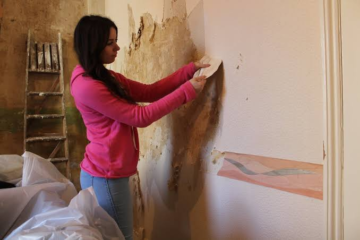
- Mold or mildew growth
- High indoor humidity
- Peeling paint
- Frequent allergy symptoms indoors
- Excessive dust buildup
- Bathrooms that stay damp for long periods
- Rooms that feel stuffy
If you notice several of these issues, improving your home’s ventilation may help solve the problem.
How Home Ventilation Works
Ventilation systems work by balancing two basic functions:
- Bringing fresh outdoor air inside
- Removing stale indoor air
Some systems rely on natural airflow, while others use fans and mechanical equipment to control air movement.
The goal is to continuously replace old air with cleaner, healthier air without making your home uncomfortable or wasting energy.
Types of Home Ventilation Systems
There are several types of ventilation systems used in residential homes.
Understanding the differences helps you choose the right option.
Natural Ventilation
Natural ventilation depends on open windows, doors, vents, and airflow created by wind and temperature differences.
Examples include:
- Open windows
- Roof vents
- Wall vents
- Cross ventilation
Advantages
- No electricity required
- Low cost
- Easy to use
- Fresh outdoor airflow
Disadvantages
- Weather dependent
- Less effective during extreme temperatures
- Limited airflow control
Natural ventilation works well in mild climates but may not provide consistent indoor air quality year-round.
Mechanical Ventilation
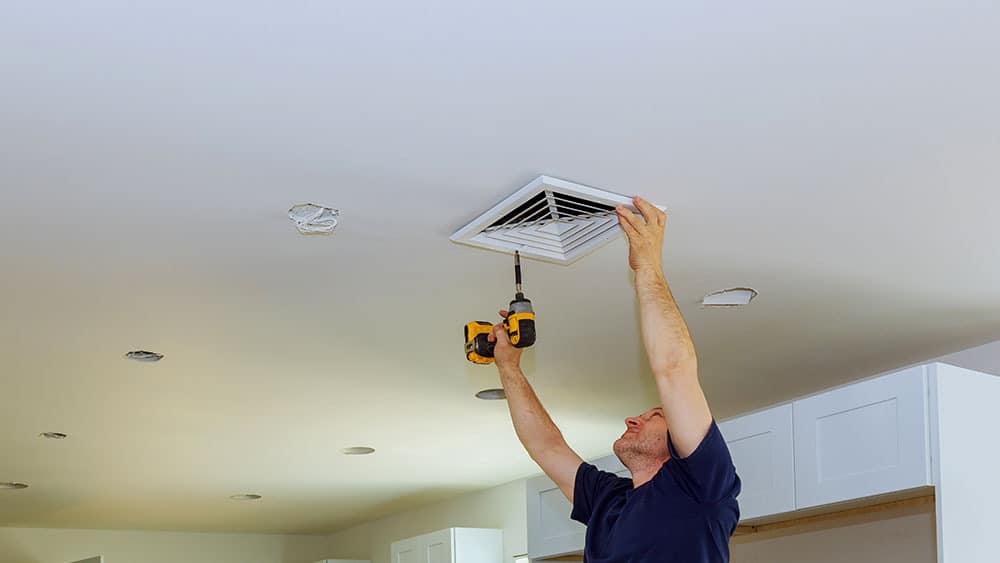
Mechanical ventilation uses fans and duct systems to move air throughout the home.
This is common in newer homes where natural airflow is limited.
Mechanical systems provide:
- Better airflow control
- Consistent ventilation
- Improved indoor air quality
- Reliable year-round performance
Exhaust Ventilation Systems
Exhaust systems remove indoor air from areas where moisture and odors are most common.
Typical locations include:
- Bathrooms
- Kitchens
- Laundry rooms
Common examples are:
- Bathroom exhaust fans
- Kitchen range hoods
- Utility room exhaust systems
These systems help remove steam, smoke, humidity, and unpleasant odors before they spread throughout the house.
Supply Ventilation Systems
Supply ventilation systems bring filtered outdoor air into the home.
Instead of removing air first, they introduce fresh air while allowing stale air to escape naturally.
These systems work particularly well in colder climates where controlled fresh air is beneficial.
Balanced Ventilation Systems
Balanced systems combine both supply and exhaust ventilation.
Fresh outdoor air enters while stale indoor air leaves at nearly the same rate.
Benefits include:
- Balanced air pressure
- Better indoor comfort
- Consistent fresh air
- Improved energy efficiency
Many modern energy-efficient homes use balanced ventilation systems.
Heat Recovery Ventilators (HRVs)
Heat Recovery Ventilators, often called HRVs, exchange stale indoor air with fresh outdoor air while recovering heat from the outgoing air.
During winter:
- Warm indoor air transfers heat
- Fresh incoming air is preheated
This process improves energy efficiency while maintaining healthy ventilation.
HRVs are especially useful in colder climates.
Energy Recovery Ventilators (ERVs)
Energy Recovery Ventilators operate similarly to HRVs but also transfer moisture between incoming and outgoing air.
This helps maintain comfortable indoor humidity levels throughout the year.
ERV systems are often recommended in areas with hot or humid climates.
Components of a Home Ventilation System
Although systems vary, most include several common parts.
These may include:
- Air ducts
- Intake vents
- Exhaust vents
- Air filters
- Fans
- Dampers
- Control panels
- Outdoor vents
Each component works together to keep air moving efficiently throughout the home.
Areas That Need Good Ventilation
Every room benefits from fresh air, but some areas require extra attention.
Kitchen
Cooking creates:
- Smoke
- Steam
- Grease particles
- Odors
A quality range hood helps remove these contaminants quickly.
Bathroom
Bathrooms generate significant moisture from showers and baths.
Proper ventilation helps prevent:
- Mold
- Mildew
- Peeling paint
- Damp walls
Laundry Room
Dryers release heat and moisture that should be vented outdoors.
Basement
Basements often experience higher humidity levels.
Good ventilation helps reduce dampness and improve overall comfort.
Choosing the Right Home Ventilation System
Several factors influence which system is best for your home.
Consider:
Home Size
Larger homes often require more powerful ventilation systems.
Climate
Your local weather affects the best type of ventilation.
Cold climates often benefit from HRVs.
Warm, humid climates frequently perform better with ERVs.
Budget
Simple exhaust fans are affordable.
Whole-house ventilation systems involve higher installation costs but provide better long-term performance.
Energy Efficiency
Look for systems designed to improve airflow while minimizing energy consumption.
Energy Efficiency and Ventilation
Many homeowners worry that bringing in outdoor air will increase heating and cooling costs.
Modern ventilation systems are designed to minimize energy loss.
Features that improve efficiency include:
- Heat recovery
- Energy recovery
- Smart controls
- Programmable timers
- Variable-speed fans
- High-efficiency motors
Choosing an energy-efficient system can improve indoor comfort without dramatically increasing utility bills.
Maintaining Your Ventilation System
Regular maintenance keeps your system operating efficiently.
Basic maintenance includes:
- Replacing air filters
- Cleaning vents
- Removing dust from fans
- Inspecting ductwork
- Clearing outdoor vents
- Checking exhaust fans
- Scheduling professional inspections when needed
Routine maintenance also extends the lifespan of your equipment.
Common Ventilation Mistakes
Many homeowners unknowingly reduce their ventilation system’s effectiveness.
Avoid these common mistakes:
- Blocking air vents with furniture
- Forgetting to replace filters
- Ignoring bathroom exhaust fans
- Closing all indoor vents
- Skipping annual maintenance
- Using undersized ventilation equipment
- Running exhaust fans for too little time
Small improvements in airflow can make a noticeable difference in indoor comfort.
Frequently Asked Questions
What is the main purpose of home ventilation?
The primary purpose is to bring fresh outdoor air inside while removing stale indoor air, excess moisture, odors, and airborne pollutants.
Do all homes need ventilation systems?
Yes. Every home requires some form of ventilation to maintain healthy indoor air quality, although the type of system may vary.
What’s the difference between an HRV and an ERV?
An HRV transfers heat between incoming and outgoing air, while an ERV transfers both heat and moisture. The best choice depends on your local climate.
Can ventilation reduce mold?
Yes. Proper ventilation helps control humidity levels, reducing the conditions that allow mold and mildew to grow.
How often should ventilation filters be replaced?
Most filters should be checked regularly and replaced according to the manufacturer’s recommendations, typically every few months depending on usage and air quality.
Final Thoughts
A home ventilation system may not be as visible as new flooring or stylish furniture, but it plays a major role in creating a healthier and more comfortable living environment. By improving air circulation, controlling moisture, and reducing indoor pollutants, proper ventilation helps protect both your home and the people living in it.
For beginners, understanding the basics of natural ventilation, mechanical systems, exhaust fans, balanced ventilation, HRVs, and ERVs makes it much easier to choose the right solution. The best system depends on your home’s size, local climate, budget, and indoor air quality needs.
Investing in good ventilation is an investment in your home’s long-term health, energy efficiency, and overall comfort. With the right system and regular maintenance, you can enjoy cleaner air, fewer moisture problems, and a more pleasant indoor environment every day.