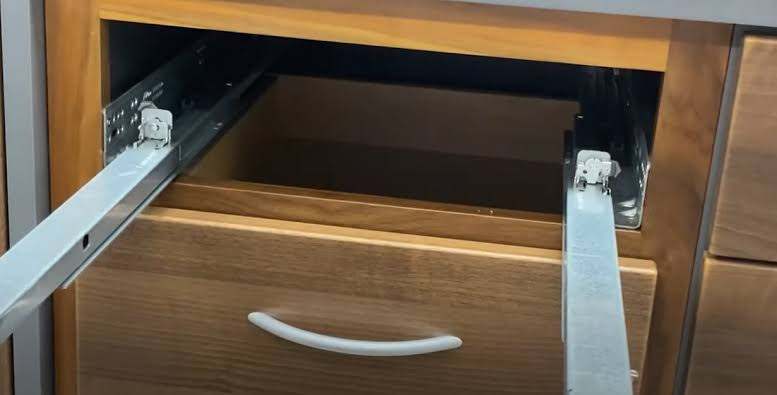
Sticky wooden drawers are one of those small household problems that quickly become frustrating. A drawer that once slid smoothly suddenly starts resisting, jamming halfway, or making scraping sounds every time you try to open or close it. While it might feel like the rails or hardware need replacement, in many cases the issue can be fixed without removing or changing anything.
Most drawer problems come from simple causes like wood swelling, dust buildup, friction, or misalignment. That means the solution is usually about restoring smooth movement rather than replacing parts. With a bit of patience and basic household tools, you can bring old drawers back to life and make them glide effortlessly again.
Understanding Why Wooden Drawers Become Sticky
Wood is a natural material that reacts to humidity, temperature changes, and wear over time. Even if the drawer hardware is perfectly fine, the wood itself can expand or contract slightly, causing friction against the frame.
One of the most common reasons drawers stick is humidity. In damp conditions, wood absorbs moisture and swells. This small expansion is enough to make a previously smooth drawer tight and difficult to move. In dry conditions, the wood may shrink, creating uneven surfaces or slight misalignment.
Dust and dirt also play a big role. Over time, fine particles accumulate on drawer runners and inside the cabinet frame. This buildup creates resistance, especially in older furniture that hasn’t been cleaned in years.
Other common causes include:
- Uneven weight inside the drawer
- Warping of wooden panels
- Lack of lubrication on sliding surfaces
- Paint or varnish buildup along edges
- Slight structural shifting of the furniture over time
Once you understand the cause, it becomes much easier to fix the problem without replacing anything.
Step One: Empty and Test the Drawer Movement
Before making any adjustments, remove all items from the drawer. A heavy or uneven load can make sticking worse and hide the real issue.
Once empty, slowly slide the drawer in and out while observing where it sticks. Pay attention to whether the resistance happens at the front, middle, or back. This helps identify whether the problem is friction, misalignment, or swelling.
Also check if the drawer tilts slightly when pulled. If it does, one side may be rubbing more than the other, which is a sign of uneven wear or warping.
Step Two: Clean the Rails and Contact Surfaces
Dust and debris are often the simplest but most overlooked cause of sticky drawers. Even a thin layer of dust can create enough friction to slow movement.
Start by pulling the drawer completely out. Use a dry cloth or small brush to clean the wooden runners, both on the drawer and inside the cabinet. If the buildup is heavy, slightly dampen the cloth and wipe again, then dry thoroughly.
Focus on areas where wood meets wood, as these are the main contact points. Over time, old dirt mixed with moisture can form a sticky residue that increases resistance.
Cleaning alone can sometimes make a noticeable difference, especially in drawers that haven’t been maintained for years.
Step Three: Sand Down High-Friction Areas
If cleaning is not enough, the next step is to reduce friction physically. Light sanding can help smooth out rough or swollen areas where the drawer is sticking.
Use fine-grit sandpaper and gently sand the edges of the drawer runners or the sides of the drawer itself. The goal is not to remove large amounts of material but to smooth out uneven surfaces.
Work slowly and test frequently. Sand a little, then slide the drawer back in to check improvement. Over-sanding can create gaps or loosen the fit too much, so minimal adjustments are key.
This step is especially useful for wooden drawers that have swollen due to humidity or age.
Step Four: Lubricate the Sliding Surfaces
Once the surfaces are clean and smooth, lubrication helps reduce friction and restore easy movement. There are several safe options that do not require hardware replacement.
Common lubricants include:
- Candle wax or paraffin wax
- Beeswax
- Soap (dry bar rubbed along the surface)
- Silicone spray (light application)
- Talcum powder for dry lubrication
Rub the lubricant directly onto the wooden runners and edges where contact occurs. Then slide the drawer in and out several times to distribute it evenly.
Wax-based solutions are especially effective because they create a smooth, long-lasting surface without attracting dust easily.
Step Five: Check for Alignment Issues
Sometimes the drawer is not sticking due to friction alone but because it is slightly misaligned. Even a few millimeters of imbalance can cause dragging on one side.
To check alignment, observe the gap between the drawer and the cabinet on both sides. If one side appears tighter, that side may be rubbing more.
A simple fix is to adjust how the drawer sits inside the frame. You can gently loosen or reposition it by shifting its angle slightly during insertion. In some cases, adding a thin shim under one side of the runner can help balance the movement.
The goal is to ensure that both sides of the drawer move evenly without pressure points.
Step Six: Address Wood Swelling from Moisture
If humidity is the root cause, the drawer may continue sticking even after cleaning and lubrication. In such cases, controlling moisture becomes important.
Wood swelling is common in kitchens, bathrooms, and humid climates. To reduce its impact:
- Keep the room well ventilated
- Use moisture absorbers or silica gel nearby
- Avoid placing hot or wet items inside drawers
- Allow airflow inside cabinets occasionally
In severe cases, lightly sanding swollen areas combined with drying the wood in a low-humidity environment can restore proper fit.
Step Seven: Reduce Load and Improve Balance
Overloaded drawers often become sticky simply because of uneven pressure. Heavy items placed at the front or one side can cause dragging and misalignment.
To improve performance:
- Distribute weight evenly inside the drawer
- Avoid overfilling
- Place heavier items closer to the center or back
- Remove unnecessary items that add strain
A balanced drawer slides more smoothly and puts less stress on contact points.
Step Eight: Fix Paint or Finish Buildup
In some older furniture, paint or varnish buildup along the edges can cause sticking. Over time, repeated painting without sanding creates thick layers that increase friction.
If this is the issue, carefully scrape or sand the affected edges until the surface is smooth again. Be gentle to avoid damaging the wood underneath.
Once smooth, reapply a light protective finish if needed, but avoid excessive layering that could recreate the same problem.
Step Nine: Long-Term Maintenance Tips
Once the drawer is working smoothly again, a little maintenance helps prevent the issue from returning.
Good habits include:
- Occasional cleaning of drawer runners
- Reapplying wax or lubricant every few months
- Avoiding moisture exposure
- Checking alignment periodically
- Keeping drawers lightly loaded and organized
Simple maintenance can significantly extend the smooth function of wooden drawers.
Common Mistakes to Avoid
Many people accidentally make drawer problems worse by using the wrong approach. Some common mistakes include:
- Using too much force to open sticky drawers
- Over-sanding and creating loose gaps
- Applying sticky oils that attract dust
- Ignoring humidity issues
- Replacing hardware too quickly without diagnosing the problem
Taking a careful, step-by-step approach usually gives better and longer-lasting results.
FAQs
Why do wooden drawers suddenly start sticking?
Most often due to humidity changes, dust buildup, or slight warping of the wood over time.
Can I fix sticky drawers without removing them?
Yes, most issues can be fixed by cleaning, sanding lightly, and lubricating the contact surfaces.
What is the best lubricant for wooden drawers?
Wax-based lubricants like candle wax or beeswax work best because they reduce friction without attracting dust.
Does humidity affect wooden drawers?
Yes, wood expands in humid conditions and contracts in dry conditions, which can cause sticking.
Should I sand the drawer or the cabinet frame?
You can do both lightly, but only sand the areas where friction is occurring.
When should I consider replacing drawer rails?
Only if the wood is severely damaged or the structure is broken. Most sticky drawers do not require replacement.
Final Thoughts
Sticky wooden drawers are usually not a sign of serious damage. In most cases, the problem comes from friction, dust, minor misalignment, or moisture changes in the wood. That means the solution is often simple and does not require replacing rails or hardware.
By cleaning, smoothing, lubricating, and balancing the drawer properly, you can restore smooth movement and extend its life significantly. Small maintenance steps over time will keep drawers working efficiently and prevent the problem from returning.
With the right approach, even old wooden drawers can feel almost new again without any costly repairs or replacements.