A small room can easily feel limiting, especially when everything inside it competes for attention. But the interesting part about interior design is that space is not only physical—it is also visual. Two rooms of the same size can feel completely different depending on how they are designed. One can feel cramped and cluttered, while the other feels open, airy, and almost twice as large.
The difference usually comes down to perception. Your brain constantly interprets light, depth, color, and movement. When those signals are optimized correctly, a small room stops feeling small. Instead, it feels organized, breathable, and visually expanded. The goal is not to change the walls but to change how the space is experienced.
Why Small Rooms Feel Smaller Than They Are
Before improving a small room, it helps to understand what actually makes it feel tight. In most cases, the problem is not the square footage but the visual pressure inside the room.
A room feels smaller when the eye cannot move freely across it. Heavy furniture, cluttered surfaces, dark corners, and blocked light all interrupt visual flow. When the brain sees too many objects competing for attention, it processes the space as “compressed.”
Lighting plays a huge role here as well. Poor lighting creates shadows, and shadows visually cut a room into smaller sections. Even if the space is open, low light makes it feel boxed in. Similarly, dark wall colors absorb light instead of reflecting it, which reduces the sense of depth.
Once you understand this, the solution becomes clearer: reduce visual weight, increase light flow, and create uninterrupted sightlines.
Light Colors That Expand Space Instantly
Color is one of the most powerful tools for changing how large a room feels. Light colors reflect both natural and artificial light, which pushes walls outward visually. This creates a soft, open feeling that makes the room appear larger than it actually is.
Shades like white, cream, light beige, soft grey, and pastel tones work especially well. These colors don’t overpower the space; instead, they blend into it, allowing light to move freely across the room.
A helpful trick is to keep the ceiling slightly lighter than the walls. This creates an upward visual lift, making the room feel taller. When both walls and ceiling are light, the boundaries between them blur, which reduces the sense of enclosure.
It’s not necessary to avoid all color. Accent tones can still be used, but they should be controlled and balanced rather than dominant.
Lighting That Creates Depth and Airiness
Lighting is often underestimated, but it has a direct impact on how spacious a room feels. A single overhead light tends to flatten the space, creating shadows in corners that make the room feel smaller.
Instead, layered lighting works much better. When light comes from multiple directions, it removes harsh contrasts and adds depth. Table lamps, floor lamps, wall lighting, and ceiling lights together create a more balanced atmosphere.
Natural light is even more effective. A room that receives daylight always feels larger than one that doesn’t, even if both have the same layout. Keeping windows clear and using sheer curtains helps sunlight spread evenly throughout the room.
Mirrors placed near light sources can also amplify brightness, making the room feel even more open.
Mirrors That Visually Double the Space
Mirrors don’t physically change a room, but they strongly influence perception. They reflect both light and depth, which creates the illusion of extended space.
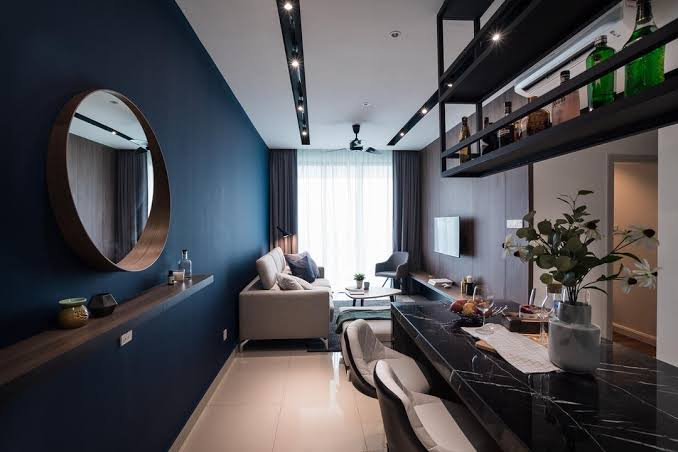
A large mirror placed strategically can make a wall feel like it continues further than it actually does. When placed opposite a window, it reflects natural light back into the room, increasing brightness and openness at the same time.
Smaller mirrors can also be used creatively in clusters or as decorative panels. They break visual boundaries and add layers to the room without taking up any physical space.
Furniture That Works With Space, Not Against It
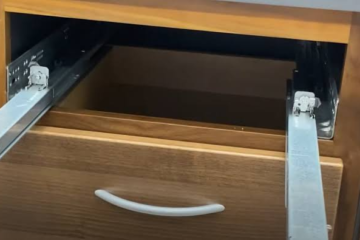
Furniture is often the biggest factor in making a small room feel crowded. Oversized or heavy pieces reduce movement and block visual flow. The key is not just choosing smaller furniture but choosing smarter furniture.
Lightweight designs with visible legs help keep the floor visually open. When you can see more floor space, the room automatically feels larger. Multi-functional furniture is even better because it reduces the number of items needed in the room.
For example, a bed with storage underneath, a foldable table, or a sofa that doubles as storage helps reduce clutter without sacrificing function.
Placement also matters. Keeping furniture close to walls and leaving open space in the center helps maintain clear walking paths and improves visual flow.
Vertical Space Changes Everything
Most small rooms suffer from underused vertical space. People tend to focus only on the floor, but walls offer a huge opportunity to expand visual height.
Tall shelves, wall-mounted storage, and vertically arranged decor draw the eye upward. This creates a feeling of height, which naturally makes the room feel more spacious.
Even artwork placed slightly higher than eye level can subtly change perception. The goal is to encourage upward movement of the eyes instead of horizontal crowding.
The Power of Decluttering
Clutter is one of the fastest ways to make a room feel smaller. Even if everything is organized, too many visible items create visual noise. The brain reads that noise as density, which reduces the feeling of space.
Keeping surfaces clean and intentional helps a room feel calmer and more open. Closed storage solutions are especially useful because they hide everyday items from sight.
A simple approach works best: every item in the room should either serve a purpose or add meaningful visual value. Anything else only adds pressure to the space.
Curtains That Add Height and Width
Curtains are often treated as decoration, but they have a strong impact on spatial perception. When hung correctly, they can make walls appear taller and windows larger.
Installing curtain rods closer to the ceiling instead of directly above the window creates an illusion of height. Extending the rods slightly beyond the window frame also makes the window feel wider.
Light, flowing fabrics work better than heavy drapes because they allow light to pass through while still maintaining privacy. This keeps the room bright and open.
Flooring That Unifies the Room
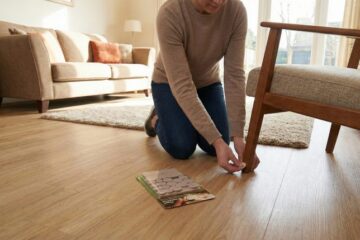
Flooring can either expand or break the visual continuity of a space. Large, continuous flooring surfaces make a room feel more unified, while fragmented flooring creates smaller visual sections.
Rugs play an important role here. A large rug that sits under furniture helps connect different parts of the room into one cohesive space. Smaller rugs, on the other hand, can divide the room visually and make it feel tighter.
Simple patterns and lighter tones work best because they don’t draw unnecessary attention to the floor.
Transparent and Lightweight Materials
Furniture made from glass, acrylic, or light materials reduces visual heaviness. Because these items are partially transparent or visually light, they don’t block sightlines as strongly as solid furniture.
This creates a sense of openness, especially in tight spaces like small bedrooms or studio apartments. Even a glass coffee table or acrylic chair can reduce visual clutter significantly.
Creating Flow Through Layout
A well-planned layout is one of the most effective ways to make a small room feel larger. When movement through the room feels natural, the space automatically feels more comfortable.
Avoid placing furniture in ways that block pathways or create tight corners. Instead, aim for a layout that allows the eye and body to move freely across the room.
Open space is just as important as filled space. A room doesn’t need to be full to feel complete—it needs balance.
FAQs
Can a small room really look twice as big without changing its size?
Yes. While the physical size stays the same, design choices like lighting, mirrors, color, and furniture placement can significantly change how large the room feels.
What is the fastest way to make a small room feel bigger?
Improving lighting and reducing clutter usually creates the most immediate impact.
Do mirrors actually make rooms look bigger?
Yes. Mirrors reflect light and space, creating the illusion of depth and expanded dimensions.
What colors are best for small rooms?
Light shades such as white, beige, soft grey, and pastel tones work best because they reflect light and reduce visual heaviness.
Is dark furniture bad for small rooms?
Not always, but too much dark or heavy furniture can make a room feel more enclosed if not balanced properly.
How important is furniture placement?
Very important. Poor placement can block flow and reduce space perception even in a well-designed room.
Can lighting alone make a small room feel bigger?
Lighting plays a major role, but it works best when combined with layout, color, and decluttering.
Final Thoughts
A small room is not a limitation—it is an opportunity to design smarter. The feeling of space is created through light, flow, and simplicity rather than physical size alone. When visual clutter is reduced, lighting is balanced, and furniture is chosen carefully, even a compact room can feel open and comfortable.
The most effective approach is not one single change but a combination of small, thoughtful adjustments. When these elements work together, the room doesn’t just look bigger—it feels more peaceful, functional, and inviting.