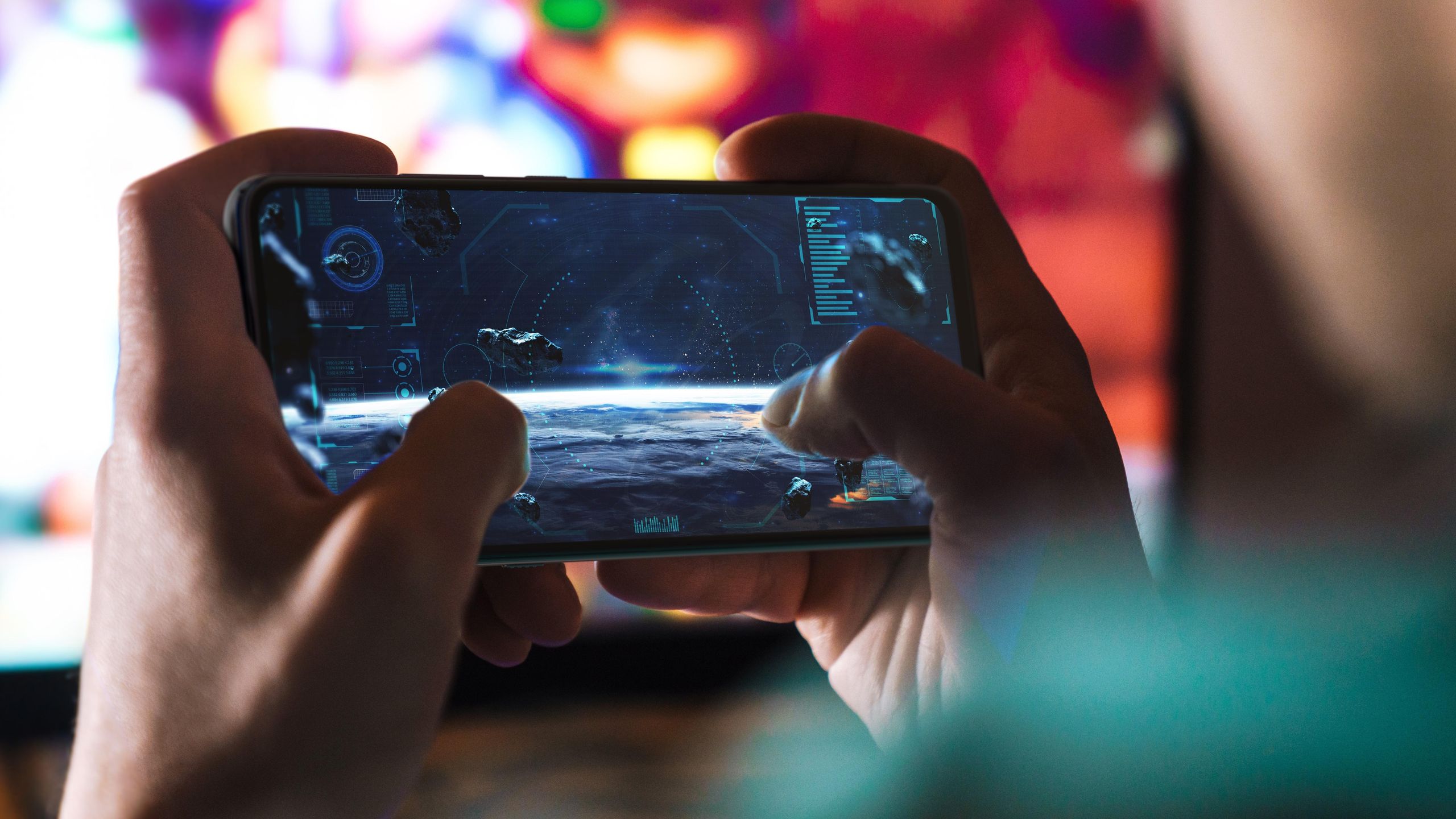
Mobile online games have completely reshaped the gaming industry over the last decade. What was once dominated by PCs and consoles is now heavily influenced by smartphones and tablets. With billions of mobile users worldwide, mobile gaming has become one of the most accessible and fastest-growing segments of online entertainment.
In 2026, mobile games are no longer seen as “casual” only. Many now offer deep gameplay, competitive multiplayer modes, and high-quality graphics that rival traditional platforms.
The Rise of Mobile Gaming
The growth of mobile gaming is largely driven by accessibility. Almost everyone owns a smartphone, making it easier than ever to access online games.
Unlike traditional gaming setups that require expensive hardware, mobile games only need a basic device and internet connection. This simplicity has brought gaming to a much larger global audience.
As a result, mobile gaming now represents a major share of the entire gaming market.
Convenience and On-the-Go Play
One of the biggest advantages of mobile online games is convenience. Players can enjoy games anywhere—during travel, breaks, or leisure time at home.
This flexibility allows gaming to fit into daily life more naturally compared to console or PC gaming.
Short match formats and quick gameplay sessions make mobile games ideal for busy schedules.
Improved Graphics and Performance
Modern smartphones are powerful enough to support advanced graphics and smooth gameplay. Many mobile online games now feature:
- 3D environments
- Real-time multiplayer battles
- High-resolution textures
- Advanced physics systems
These improvements have significantly narrowed the gap between mobile and traditional gaming platforms.
Growth of Mobile Esports
Mobile gaming has also entered the esports world. Competitive mobile games now host tournaments with large audiences and prize pools.
Players compete in structured leagues, showing that mobile platforms are capable of supporting serious competitive environments.
Mobile esports has made competitive gaming more accessible to players who may not own high-end PCs or consoles.
Social Interaction and Connectivity
Mobile online games often include strong social features. Players can easily connect with friends, join teams, and participate in global communities.
Features such as chat systems, guilds, and cooperative missions encourage interaction between players.
This social aspect helps create long-lasting engagement and friendships.
Free-to-Play Model Dominance
Most mobile games follow the free-to-play model, where players can download and enjoy the game without paying upfront.
Revenue is typically generated through optional purchases such as:
- Skins and customization items
- Battle passes
- In-game currency
- Special upgrades
This model has helped mobile games reach massive global audiences.
Continuous Updates and Live Events
Mobile online games are frequently updated with new content. Developers regularly introduce:
- Seasonal events
- New characters or weapons
- Gameplay improvements
- Limited-time challenges
These updates keep players engaged and encourage long-term retention.
Accessibility for All Ages
Mobile gaming is one of the most inclusive forms of entertainment. It appeals to both casual players and serious gamers across all age groups.
Simple controls and intuitive interfaces make it easy for beginners to start playing quickly.
At the same time, advanced modes and competitive systems provide depth for experienced players.
The Role of Internet Connectivity
Improved mobile internet, including 4G and 5G networks, has greatly enhanced online gaming experiences.
Faster connections reduce lag, improve matchmaking, and allow smoother real-time multiplayer gameplay.
This has made mobile gaming more reliable and enjoyable than ever before.
Influence on Gaming Culture
Mobile games have played a major role in shaping modern gaming culture. They have introduced millions of new players to online gaming and expanded the global gaming community.
Short-form content, social sharing, and mobile streaming have also contributed to this cultural shift.
Communities surrounding various platforms, including slot88, show how digital entertainment ecosystems continue to evolve across different formats and devices.
Challenges in Mobile Gaming
Despite its success, mobile gaming faces challenges such as:
- Battery consumption
- Device overheating
- In-app purchase concerns
- Network instability in some regions
Developers continue to improve optimization and user experience to address these issues.
The Future of Mobile Gaming
The future of mobile online games looks extremely promising. With advancements in cloud gaming, artificial intelligence, and augmented reality, mobile experiences are expected to become even more immersive.
We may soon see mobile games that offer console-level performance without requiring high-end hardware.
As technology continues to evolve, mobile gaming will remain a dominant force in the gaming industry.
Conclusion
Mobile online games have transformed the gaming landscape by making high-quality entertainment accessible to billions of people. Their convenience, affordability, and constant innovation have helped them grow into one of the most important segments of the industry.
With continued technological advancements, mobile gaming is expected to become even more powerful, immersive, and influential in the years ahead.
Stay in touch to get more updates & news on The Tech Norozen!