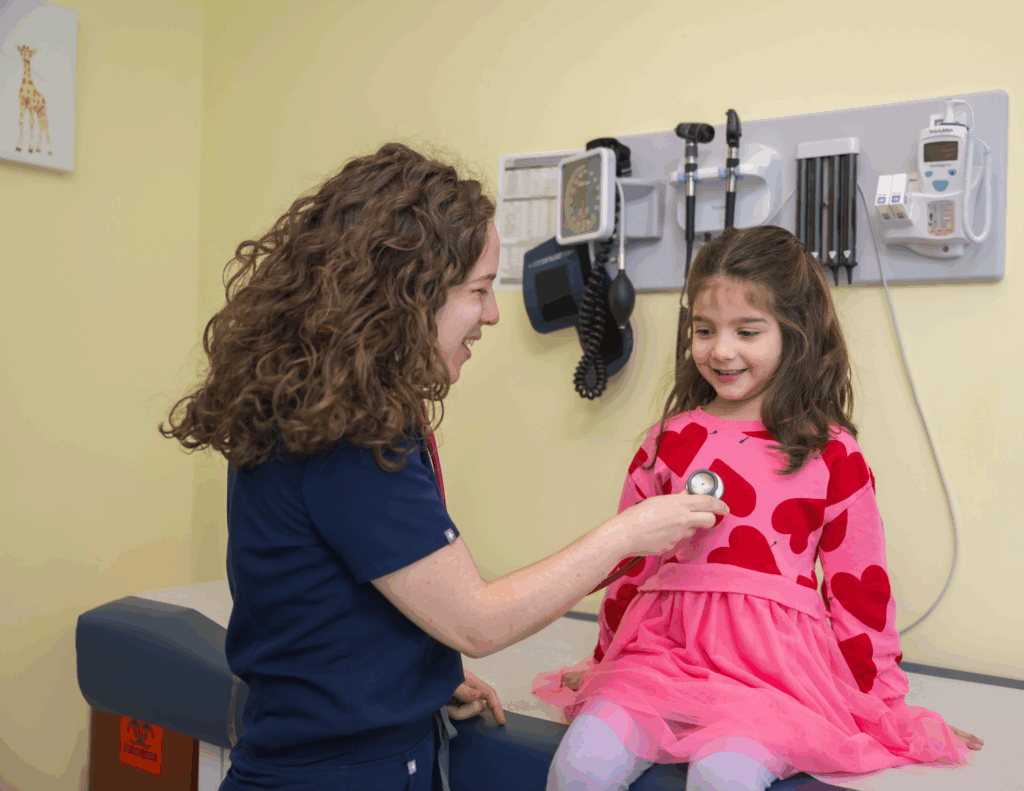
Every parent wants their child to grow up healthy, energetic, and ready to enjoy life. While genetics play a role in a child’s development, everyday choices related to nutrition, sleep, physical activity, hygiene, and preventive healthcare have a significant impact on long-term health. Childhood is a period of rapid growth, making it the ideal time to build healthy habits that can last a lifetime.
Understanding the essentials of children’s health helps parents make informed decisions rather than relying on myths or conflicting advice. From providing balanced meals to staying on schedule with vaccinations and recognizing developmental milestones, each step contributes to a child’s physical, mental, and emotional well-being.
This guide explores the key aspects of children’s health, including proper nutrition, vaccinations, growth milestones, immune system support, and managing common childhood illnesses.
Why Children’s Health Matters
The early years of life shape a child’s future health. Healthy children tend to perform better academically, participate more actively in physical activities, and experience fewer chronic illnesses later in life.
Good health during childhood supports:
- Strong bones and muscles
- Healthy brain development
- Emotional stability
- Better concentration and learning
- Strong immune function
- Healthy social development
Preventive care is often more effective than treating illnesses after they occur, making regular medical checkups an important part of childhood healthcare.
Essential Nutrition for Growing Children
Nutrition provides the building blocks for growth, brain development, and a healthy immune system. Children require a variety of nutrients because their bodies are constantly developing.
Protein
Protein supports muscle growth, tissue repair, and hormone production.
Healthy protein sources include:
- Eggs
- Fish
- Chicken
- Lean beef
- Beans
- Lentils
- Greek yogurt
- Tofu
Calcium
Calcium strengthens bones and teeth during critical growth periods.
Good calcium-rich foods include:
- Milk
- Cheese
- Yogurt
- Fortified plant milk
- Broccoli
- Kale
Iron
Iron helps transport oxygen throughout the body and supports healthy brain development.
Excellent iron sources include:
- Lean meat
- Spinach
- Lentils
- Fortified cereals
- Beans
Combining iron-rich foods with vitamin C-rich fruits improves iron absorption.
Healthy Fats
Healthy fats are essential for brain development, especially during infancy and early childhood.
Sources include:
- Avocados
- Nuts (age appropriate to avoid choking)
- Seeds
- Olive oil
- Fatty fish
Fruits and Vegetables
Children should eat colorful fruits and vegetables every day because they provide vitamins, minerals, antioxidants, and fiber.
Encourage variety by offering:
- Berries
- Apples
- Bananas
- Carrots
- Bell peppers
- Tomatoes
- Cucumbers
- Sweet potatoes
Whole Grains
Whole grains provide energy and digestive fiber.
Examples include:
- Oatmeal
- Brown rice
- Whole wheat bread
- Whole grain pasta
- Quinoa
Healthy Eating Habits
Creating healthy eating habits is just as important as serving nutritious foods.
Parents can encourage healthier eating by:
- Eating meals together as a family
- Offering balanced meals consistently
- Avoiding pressure to finish every bite
- Limiting sugary drinks
- Serving water regularly
- Reducing processed snacks
- Encouraging children to try new foods without forcing them
Children often need multiple exposures to a new food before accepting it.
Hydration Matters
Water plays a crucial role in digestion, temperature regulation, and overall body function.
Children should drink water throughout the day, particularly during physical activity and hot weather.
Limit beverages containing added sugar, including soda, energy drinks, and excessive fruit juice.
Understanding Childhood Vaccinations
Vaccinations are one of the safest and most effective ways to protect children from serious infectious diseases.
Vaccines work by training the immune system to recognize harmful viruses and bacteria before real exposure occurs.
Routine childhood immunizations help prevent diseases that once caused widespread illness and death.
Vaccinations protect against conditions such as:
- Measles
- Mumps
- Rubella
- Polio
- Diphtheria
- Tetanus
- Pertussis
- Hepatitis B
- Chickenpox
- Influenza
Following the recommended vaccination schedule helps ensure children receive protection at the appropriate ages.
Parents who have concerns about vaccines should discuss them with their pediatric healthcare provider rather than relying on misinformation from unreliable sources.
Growth Milestones Throughout Childhood
Every child develops at their own pace, but developmental milestones provide useful guidelines for tracking progress.
Infant Milestones (0–12 Months)
During the first year, babies typically:
- Smile socially
- Roll over
- Sit without support
- Crawl
- Pull themselves up
- Begin walking
- Respond to familiar voices
- Babble and imitate sounds
Toddler Milestones (1–3 Years)
Toddlers usually begin to:
- Walk confidently
- Run
- Climb stairs
- Speak simple sentences
- Follow basic instructions
- Stack blocks
- Feed themselves
- Show curiosity through play
Preschool Years (3–5 Years)
Children continue developing:
- Better coordination
- Improved speech
- Social interaction
- Imaginative play
- Problem-solving skills
- Independence
School-Age Children
During school years, children develop:
- Strong reading skills
- Logical thinking
- Teamwork abilities
- Emotional regulation
- Increased independence
- Better motor coordination
Parents should remember that slight differences in development are normal. However, significant delays may require evaluation by a healthcare professional.
Building a Strong Immune System
The immune system protects children from infections every day.
While no food or supplement can completely prevent illness, several healthy habits support immune function.
Balanced Nutrition
A diet rich in vitamins, minerals, protein, and healthy fats provides the nutrients immune cells need to function properly.
Quality Sleep
Sleep is one of the body’s most powerful healing tools.
General sleep recommendations include:
- Infants: 12–16 hours including naps
- Toddlers: 11–14 hours
- Preschoolers: 10–13 hours
- School-age children: 9–12 hours
- Teenagers: 8–10 hours
Consistent bedtime routines improve sleep quality.
Physical Activity
Daily movement strengthens muscles, supports heart health, and improves immune function.
Children should spend time:
- Running
- Playing outdoors
- Riding bicycles
- Swimming
- Playing sports
- Dancing
Limiting excessive screen time encourages more active lifestyles.
Good Hygiene
Simple hygiene habits reduce the spread of infections.
Teach children to:
- Wash hands thoroughly
- Cover coughs and sneezes
- Avoid touching their face
- Use tissues properly
- Brush teeth twice daily
These habits reduce the transmission of many common illnesses.
Common Childhood Illnesses
Children naturally experience illnesses as their immune systems develop.
Most common infections are mild and improve with supportive care.
Common Cold
Symptoms include:
- Runny nose
- Sneezing
- Mild cough
- Congestion
- Sore throat
Rest, fluids, and comfort measures are usually sufficient.
Influenza
The flu often causes:
- High fever
- Body aches
- Fatigue
- Headache
- Cough
Annual flu vaccination helps reduce the risk of severe illness.
Ear Infections
Ear infections frequently occur after colds.
Signs include:
- Ear pain
- Fussiness
- Difficulty sleeping
- Fever
- Temporary hearing changes
Some ear infections resolve naturally, while others require medical treatment.
Stomach Viruses
Gastroenteritis commonly causes:
- Vomiting
- Diarrhea
- Stomach cramps
- Mild fever
Preventing dehydration is the primary concern.
Hand, Foot, and Mouth Disease
This viral illness often affects younger children.
Symptoms include:
- Fever
- Mouth sores
- Rash on hands and feet
- Reduced appetite
Most children recover within a week.
Chickenpox
Although vaccination has made chickenpox less common, some children may still develop the illness.
Symptoms include:
- Itchy rash
- Fever
- Fatigue
- Loss of appetite
Vaccination remains the best preventive measure.
Recognizing Warning Signs
Parents should seek medical attention immediately if a child experiences:
- Difficulty breathing
- Severe dehydration
- Persistent high fever
- Seizures
- Extreme drowsiness
- Confusion
- Severe allergic reactions
- Continuous vomiting
- Blue lips or skin
- Unresponsiveness
Prompt medical evaluation can prevent serious complications.
Mental and Emotional Health
Children’s health extends beyond physical wellness.
Supporting emotional development includes:
- Listening without judgment
- Providing consistent routines
- Encouraging friendships
- Praising effort rather than perfection
- Teaching healthy coping skills
- Creating a safe home environment
Children who feel emotionally secure often develop stronger confidence and resilience.
Oral Health
Dental health begins early.
Parents should:
- Clean infants’ gums before teeth appear
- Brush teeth twice daily
- Use age-appropriate toothpaste
- Limit sugary snacks
- Schedule regular dental visits
Healthy baby teeth support speech development and proper nutrition.
Eye and Vision Care
Regular vision checks help identify problems before they affect learning.
Parents should watch for:
- Frequent squinting
- Sitting too close to screens
- Eye rubbing
- Headaches
- Difficulty reading
Early treatment often improves long-term vision outcomes.
Physical Activity for Healthy Growth
Children should have opportunities for active play every day.
Benefits include:
- Stronger bones
- Better cardiovascular health
- Improved coordination
- Healthy weight management
- Better sleep
- Reduced stress
Activities should match the child’s age and interests, making exercise enjoyable rather than a chore.
Limiting Screen Time
While technology has educational benefits, excessive screen use may interfere with sleep, exercise, and social interaction.
Parents can encourage healthier screen habits by:
- Setting daily limits
- Creating screen-free meal times
- Keeping devices out of bedrooms
- Encouraging outdoor play
- Participating in family activities
Balanced screen use supports healthier development.
Importance of Routine Pediatric Checkups
Regular medical visits allow healthcare providers to:
- Monitor growth
- Assess development
- Administer vaccinations
- Screen for health conditions
- Offer nutrition guidance
- Address parental concerns
Routine visits also build trust between families and healthcare providers.
Tips for Parents to Support Lifelong Health
Healthy habits established during childhood often continue into adulthood.
Parents can encourage lifelong wellness by:
- Serving nutritious meals
- Promoting daily physical activity
- Maintaining regular sleep schedules
- Encouraging good hygiene
- Staying current with vaccinations
- Scheduling routine health checkups
- Supporting emotional well-being
- Creating a safe home environment
- Modeling healthy behaviors
- Celebrating progress rather than perfection
Conclusion
Children thrive when their physical, emotional, and developmental needs are supported consistently. Good nutrition fuels growth, vaccinations provide protection against serious diseases, regular health checkups monitor development, and healthy lifestyle habits strengthen immunity. Parents also play a vital role in recognizing developmental milestones and responding promptly when illnesses or concerns arise.
No child will avoid every cold or minor illness, but a strong foundation built on balanced nutrition, quality sleep, regular physical activity, good hygiene, and preventive healthcare gives children the best opportunity to grow into healthy, confident adults. By focusing on these essential aspects of children’s health, families can create an environment where children are better prepared to learn, play, and reach their full potential throughout every stage of life.