All-terrain vehicles (ATVs) offer an unmatched combination of adventure, versatility, and outdoor exploration. For newcomers, however, selecting the right ATV can feel overwhelming. With countless models, engine sizes, and features available, it’s easy to feel lost in the sea of options. If you’re just starting out, knowing how to identify the best ATV for beginners is crucial for ensuring both safety and enjoyment on the trails.
ATVs can serve many purposes—from recreational trail riding to utility work on farms or ranches. But the wrong choice for a beginner can lead to frustration, safety concerns, and unnecessary expenses. In this guide, we’ll break down the essential factors that beginners should consider, helping you make an informed, confident decision.
Understanding ATV Types and Their Uses
Before diving into specific models, it’s important to understand the main types of ATVs. Generally, ATVs fall into three categories: sport, utility, and youth models. Each type has unique characteristics suited to different skill levels and intended uses.
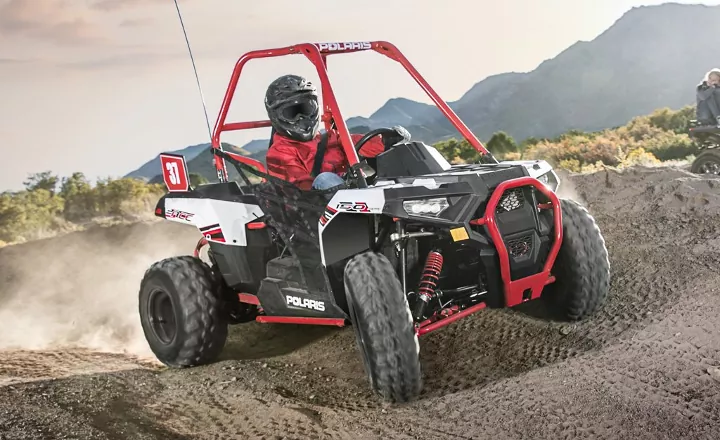
Sport ATVs are designed for speed, agility, and trail performance. They typically feature higher horsepower, more responsive suspension, and lighter frames. While exhilarating, sport models can be less forgiving for first-time riders. They demand precise handling and quick reflexes, which may not be ideal for someone still learning basic ATV control.
Utility ATVs are larger, more stable, and often include cargo racks for hauling equipment. Their design prioritizes stability and durability over speed, making them a safer option for beginners who want to explore trails or use the vehicle for practical tasks. Many utility ATVs also feature automatic transmissions, which simplify operation and reduce the learning curve.
Youth or beginner-focused models are smaller, lighter, and lower-powered ATVs specifically engineered for new riders. These often include speed limiters, smaller engines, and safety features like tethered kill switches. For anyone starting from scratch, these models provide an ideal balance between safety and fun.
Recognizing the type that aligns with your intended use will help narrow down your options and prevent costly mistakes.
Key Features Beginners Should Prioritize
When selecting an ATV for your first experience, certain features can make the learning process smoother and safer. Focusing on these attributes will help you choose an ATV that promotes confidence on the trails.
Engine Size and Power – Beginner riders benefit from smaller engine capacities, typically ranging from 50cc to 400cc. Smaller engines are easier to control and less intimidating for new riders. While it might be tempting to go straight to a powerful machine, starting with a moderate engine ensures you can focus on mastering basic techniques without being overwhelmed.
Transmission Type – ATVs come with either manual or automatic transmissions. Automatic or semi-automatic transmissions are ideal for beginners because they allow the rider to focus on steering and braking without worrying about clutch control. Once your skills advance, transitioning to a manual transmission can be considered if desired.
Suspension and Stability – Suspension affects comfort and handling. Beginners should prioritize ATVs with softer suspension systems that absorb bumps effectively, especially if you plan to ride on rough or uneven terrain. Stability is equally important; a wider wheelbase generally improves balance and reduces the risk of tipping over.
Safety Features – Modern beginner ATVs often come with built-in safety mechanisms. These can include speed limiters, tethered engine kill switches, and throttle limiters. Helmets, gloves, and protective clothing are also critical for new riders, and selecting an ATV that pairs well with safety gear ensures a secure riding experience.
Ergonomics and Comfort – A well-fitting ATV enhances control and reduces fatigue. Adjustable seats, handlebars, and footrests allow for a more personalized fit. Comfort may not seem like a priority at first, but a rider who is physically comfortable is more likely to develop proper technique and confidence quickly.
Evaluating Brands and Reliability
While features are important, brand reputation and reliability play a significant role in a beginner’s long-term satisfaction. Well-established ATV manufacturers often provide better warranties, access to replacement parts, and extensive customer support—all of which are crucial for someone new to the sport.
Reading reviews, consulting ATV forums, and speaking with dealers can offer valuable insight into model performance and durability. Pay attention to maintenance requirements, fuel efficiency, and repair costs. A beginner-friendly ATV should not only be easy to operate but also cost-effective to maintain over time. Reliability ensures that your learning experience remains positive and encourages regular riding without interruptions caused by mechanical issues.
Test Rides and Learning Environment
No matter how many reviews or specifications you examine, nothing substitutes a hands-on experience. Test riding different ATVs under safe conditions allows you to gauge comfort, handling, and responsiveness. Many dealers offer supervised test rides, which provide an excellent opportunity for beginners to learn basic skills in a controlled environment.
Choosing the right learning environment is equally important. Open fields, private trails, or designated ATV parks provide safer spaces for practice compared to crowded public roads or technical terrain. Starting in a low-risk environment helps build confidence while reducing the likelihood of accidents.
Maintenance and Care Basics
Even beginner riders should understand basic ATV maintenance to prolong the life of their vehicle and ensure safety. Regularly checking tire pressure, fluid levels, brakes, and suspension systems can prevent mechanical failures. Learning to perform simple tasks like cleaning air filters or lubricating chains is also beneficial.
Proper storage protects your ATV from weather damage, and investing in a quality cover or shelter can reduce long-term maintenance costs. Understanding these responsibilities early encourages better habits and reinforces the connection between proper care and a safer, more enjoyable riding experience.
Making the Decision: Finding Your Perfect Fit
Choosing the best ATV for beginners is a combination of understanding your needs, evaluating features, and gaining hands-on experience. While it can be tempting to focus solely on power or aesthetics, prioritizing safety, comfort, and reliability ensures that your first ATV is a source of excitement rather than frustration.
A thoughtfully selected beginner ATV allows you to progress naturally, gradually increasing speed, technical skills, and confidence. Whether you plan to explore scenic trails, participate in recreational riding, or use your ATV for work purposes, starting with the right foundation makes all the difference.
For those looking for guidance, Epic Motorsports Show Low offers a variety of ATVs suitable for first-time riders. Their knowledgeable staff can help match riders to models that fit skill level, intended use, and personal preferences—providing a smooth transition from beginner to confident ATV enthusiast.
Conclusion
Starting your ATV journey is an exciting adventure, but the right choice matters. By focusing on beginner-friendly models, prioritizing key features like engine size, transmission, and safety, and testing multiple options, new riders can enjoy a positive, rewarding experience from the start. Reliability, comfort, and proper maintenance ensure that your investment continues to deliver fun for years to come.
Keep an eye for more latest news & updates on Technorozen!