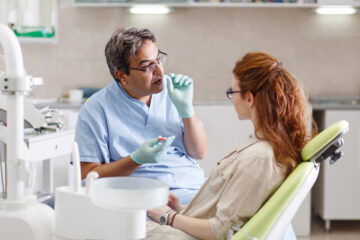
You go in for a routine cleaning, everything feels mostly fine, and then your dentist spends extra time looking at the back surfaces of your front teeth. That can feel oddly specific, even unsettling. If nothing hurts, why focus there? Family dentistry in Mississauga Ontario.
The short answer is that wear on the backs of front teeth often tells a bigger story. It can point to grinding, clenching, acid erosion, bite problems, or a mix of all four. Those surfaces act like an early warning area because they are thin, visible to a trained eye, and often damaged before you notice any pain. Why dentists examine wear behind front teeth comes down to prevention. Small changes there can lead to sensitivity, chipping, shorter teeth, and expensive repair work if they are missed.
Wear On The Backs Of Front Teeth Often Signals More Than Normal Aging
Teeth do wear over time. That part is normal. What dentists look for is wear that is faster, deeper, or shaped in a way that suggests a specific cause. The backs of the upper front teeth are especially useful because they often show the effects of acid and tooth to tooth friction early.
If you grind your teeth at night, you may have no idea it is happening. You wake up with a tight jaw, a dull headache, or teeth that seem a little more sensitive to cold, but nothing dramatic enough to make you book an urgent visit. The National Institute of Dental and Craniofacial Research explains that bruxism, or teeth grinding and clenching, can damage teeth, strain the jaw, and wear enamel down over time.
Acid wear creates a different pattern. Reflux, frequent vomiting, acidic drinks, and even constant sipping on sparkling water or sports drinks can soften enamel. Once enamel is softened, normal chewing and grinding can remove it faster. The UK government’s oral health guidance on tooth wear and prevention notes that erosion, attrition, and abrasion often overlap, which is why dentists do not look at one mark in isolation. They look at the pattern across your whole mouth.
That is why a dentist checking front tooth wear is not being overly cautious. They are reading clues. A smooth scooped surface may suggest acid erosion. Flat matching wear points may suggest grinding. Small chips near the edges may mean your bite is placing too much force on certain teeth.
Unchecked Tooth Wear Can Change Comfort, Appearance, And Cost
At first, tooth wear can seem cosmetic. A little transparency at the edges. A faint roughness when you run your tongue over the tooth. Then the changes build. Enamel gets thinner, yellow dentin shows through, and sensitivity starts to creep in. If the bite collapses or edges chip, even speaking and eating can feel different.
You might also be dealing with something that does not feel dental at all. Reflux can show up as throat clearing, a sour taste, or morning hoarseness. Stress can show up as jaw tension and broken sleep. Dentists check the backs of front teeth because the mouth often shows these patterns before the rest of your body gets your attention.
Population level research supports that concern. The National Institute of Dental and Craniofacial Research’s report on oral health in America describes how oral conditions affect comfort, function, and quality of life across the lifespan. Tooth wear is not always dramatic in the early stage, but once enough structure is lost, treatment gets more involved. Bonding may help in one person. Another may need a night guard, diet changes, reflux care, or full restorations.
Different Causes Of Tooth Wear Need Different Solutions
A worn spot is not a diagnosis by itself. The same tooth can be hit by acid, grinding, and bite stress all at once. That is why general dentist visits matter here. A general dentist is checking the wear pattern, your bite, your symptoms, and your habits together instead of treating the mark like a random flaw.
| Cause of wear | Common signs on back of front teeth | What you might notice | Typical next step |
| Grinding or clenching | Flat wear facets, chipping, edge thinning | Jaw soreness, morning headaches, broken fillings | Night guard, bite assessment, stress management |
| Acid erosion | Smooth scooped surfaces, thinning enamel, translucency | Sensitivity, sour taste, reflux symptoms | Diet review, reflux evaluation, fluoride support |
| Abrasive brushing or habits | Localized wear near gumline or repeated contact areas | Sensitivity, rough spots | Technique changes, softer brush, habit review |
| Bite imbalance | Uneven wear on selected teeth | One tooth hitting first, chips, tension when chewing | Bite adjustment or restorative planning |
This is also why home guesses can miss the mark. A store bought guard may protect from some grinding damage, but it will not fix acid exposure. Whitening toothpaste may make sensitivity worse if enamel is already thin. Waiting until a tooth cracks usually means a more expensive repair.
Three Smart Steps To Take If Your Dentist Mentions Wear
Track patterns for two weeks. Notice jaw soreness, headaches, reflux, dry mouth, energy drinks, lemon water, or late night snacking. These details help connect the wear pattern to a cause.
Protect enamel right away. Use a soft brush, a fluoride toothpaste, and avoid brushing right after acidic food or drinks. If reflux is part of the picture, bring that up with your medical provider too.
Follow through on the recommended exam or guard. If your dentist suggests photos, bite records, or a night guard, that is usually to stop small wear from turning into fractures, sensitivity, or major restorative work.
Early Attention To Front Tooth Wear Protects More Than Your Smile
When dentists inspect the backs of front teeth, they are not searching for tiny flaws to worry you. They are looking for early signs that your teeth are under more stress than they should be. Catching that wear early can protect your comfort, your appearance, and your budget.
If your dentist has pointed out these areas, do not ignore it just because nothing hurts yet. Small wear is easier to manage than advanced damage, and the right plan depends on the reason the wear is there in the first place.