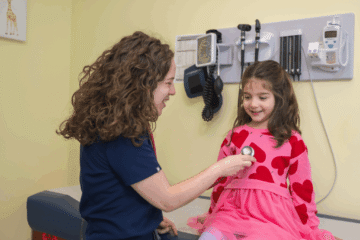
You may be looking at crooked teeth, a bite that feels off, jaw pain, or a child whose dentist said it is time to see a specialist. That can bring up a mix of stress and doubt. Is this only about appearance, or is something bigger going on? The short answer is that an orthodontist does far more than straighten teeth. A Chicago orthodontist plays an important part in dental care by guiding jaw development, improving bite function, protecting long term oral health, and helping your general dentist prevent problems that get worse with time.
When teeth do not line up well, daily life can get harder in quiet ways. Brushing takes longer because crowded teeth trap plaque. Flossing becomes frustrating. Chewing may feel uneven. Speech can be affected. Some people clench more because their bite never feels settled. These issues build slowly, which is why many people live with them for years before they realize the strain is connected.
Orthodontists support oral health far beyond straight teeth
An orthodontist is a dental specialist trained to diagnose and treat problems with tooth alignment and jaw position. That matters because alignment is tied to function. If your bite is deep, open, cross, or under, certain teeth can wear down faster, gums can recede, and the jaw joints can take extra pressure. According to MedlinePlus information on orthodontia, orthodontic treatment is used to correct irregularities of the teeth and jaw.
This is where the role of orthodontists in oral health becomes clear. They work with general dentists, pediatric dentists, oral surgeons, and sometimes periodontists to keep your mouth stable. A general dentist may spot early crowding during a routine exam. The orthodontist then maps out how the teeth and jaws are growing, when treatment should begin, and which approach fits the case. In some situations, early treatment reduces the need for extractions or more invasive care later.
Children are not the only ones who benefit. Adults often come in after years of chipped teeth, gum issues, shifting after old dental work, or relapse from braces they had long ago. You might think, I made it this far, why deal with it now? Because teeth keep moving, and untreated bite problems can make future crowns, implants, and cleanings harder to manage.
Misalignment affects cleaning, wear, and long term dental planning
When teeth overlap, food and plaque collect in tight spaces. Even people with strong hygiene habits can miss areas that are hard to reach. The CDC explains on its oral health resource page that oral health affects overall health and quality of life. If you are already dealing with bleeding gums or frequent buildup at cleanings, alignment may be part of the reason.
Bite issues also change how force is distributed. One tooth may absorb pressure that should be shared across many teeth. Over time, that can mean cracks, worn edges, gum recession, or sensitivity. If you are planning veneers, implants, or crowns, the bite has to be considered first. Cosmetic work placed on an unstable bite often fails sooner than expected. That is one reason orthodontic care in dentistry is often part of a larger treatment plan rather than a separate cosmetic step.
National research also points to the broader burden of oral disease. The National Institute of Dental and Craniofacial Research outlines ongoing progress and gaps in care in its Oral Health in America report. Better alignment does not solve every dental problem, but it can remove barriers that make prevention harder.
Professional orthodontist care offers more control than do it yourself options
Mail order aligners and social media shortcuts appeal to people who want lower cost and less hassle. That is understandable. The risk is that tooth movement is not just about where the front teeth look better in a photo. Roots, bone levels, gum health, jaw position, and bite contact all matter. Moving teeth without a full exam can create new problems, especially if there is hidden decay, gum disease, or bone loss.
| Approach | What You Get | Main Limits or Risks |
|---|---|---|
| General dental monitoring alone | Routine exams, cleanings, basic oversight | Does not fully address complex bite or jaw alignment issues |
| DIY or mail order aligners | Convenience, remote check ins, lower upfront cost in some cases | Limited diagnostics, less control of bite changes, higher chance of missed problems |
| Orthodontist led treatment | Full diagnosis, X rays or scans, bite planning, in person adjustments | More visits, higher cost depending on case complexity |
If a teen has crowding plus a narrow upper jaw, or an adult has gum recession and shifting front teeth, treatment needs to be tailored with care. That is the difference between moving teeth and managing the whole system around them.
Small decisions early can prevent larger dental problems later
Get a full orthodontic evaluation. If you or your child has crowding, speech changes, mouth breathing, jaw discomfort, or teeth that do not meet correctly, schedule an exam. An evaluation does not lock you into treatment. It gives you a timeline, options, and a clearer sense of urgency.
Ask how alignment affects your other dental needs. If you need implants, crowns, gum treatment, or cosmetic work, ask whether bite correction should happen first. This can protect your investment and lower the odds of repeat treatment.
Focus on function, not only looks. Straighter teeth can improve confidence, but the bigger win is often easier cleaning, better wear patterns, and a bite that feels stable. That shift in thinking helps you choose treatment that lasts.
Orthodontists remain a key part of long term dental health
The best dental care is connected care. Your dentist watches for decay and gum disease. Your hygienist helps you maintain daily health. Your orthodontist addresses alignment and bite so the rest of that care works better. That is the real value behind the role of orthodontists in comprehensive dental care. They help create a mouth that is easier to clean, more comfortable to use, and better prepared for the years ahead.
If you have been putting this off, you are not behind. You are at the point where clearer answers would help, and getting them can make the next step feel much lighter.