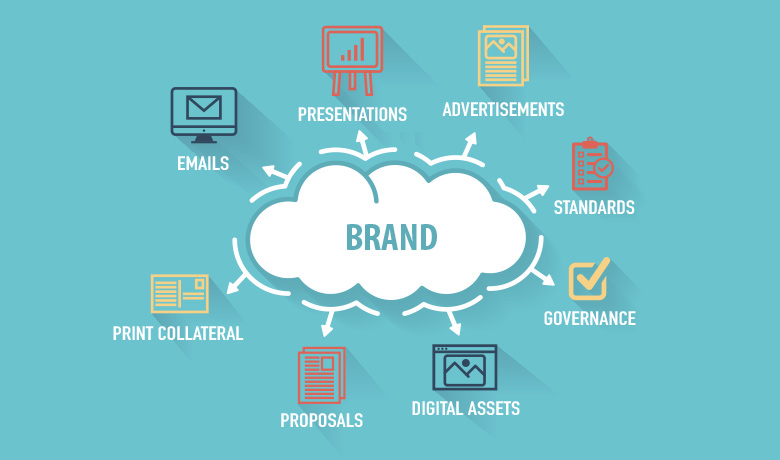
In today’s competitive marketplace, consumers have more choices than ever before. New businesses enter the market daily, digital platforms continue to evolve, and customer expectations are constantly rising. Amid this crowded landscape, one characteristic consistently separates memorable brands from forgettable ones: consistency. It is not flashy campaigns or one-time viral moments that build lasting recognition. Instead, it is the repeated delivery of the same values, messaging, visual identity, and customer experience over time.
Whether a business is a startup establishing its presence or an established organization expanding into new markets, consistency serves as the framework that strengthens trust and encourages long-term customer relationships. Developing a reliable brand marketing strategy helps organizations create unified experiences that resonate with audiences across every touchpoint, from websites and social media to customer service and advertising. When customers know what to expect, confidence grows, and that confidence becomes the foundation of loyalty.
Consistency Builds Trust Through Familiarity
Trust is rarely built overnight. Instead, it develops gradually through repeated positive interactions. Every time customers encounter a brand that communicates clearly, delivers quality products or services, and maintains the same standards, they become more comfortable engaging with that business again.
Brand consistency reduces uncertainty. Customers know what your company represents, what values guide your decisions, and what level of quality they can expect. This predictability creates confidence, especially in industries where purchasing decisions involve significant investment or ongoing relationships.
Think about the brands people recognize instantly. Their colors, logos, tone of voice, messaging, and customer experiences remain remarkably consistent regardless of where customers interact with them. This familiarity makes their marketing more effective because audiences spend less time interpreting who the company is and more time connecting with what it offers.
From an SEO perspective, consistent branding also reinforces topical authority. Search engines increasingly evaluate signals that demonstrate expertise, authority, and trustworthiness. Maintaining cohesive messaging across websites, articles, social media profiles, and other digital assets helps reinforce those signals while improving user confidence.
Consistent Messaging Strengthens Brand Recognition
Recognition is one of the most valuable assets a company can develop. Customers who immediately recognize a brand are more likely to remember it when making purchasing decisions. However, recognition doesn’t happen by accident. It requires deliberate consistency across every communication channel.
Every piece of content should reinforce the same core message rather than introducing conflicting ideas or constantly changing positioning. This includes blog articles, email campaigns, social media updates, paid advertising, press releases, and customer support interactions.
When businesses continually shift their messaging, audiences struggle to understand what differentiates them from competitors. In contrast, consistent communication creates clarity. Customers begin associating specific qualities, benefits, and values with the brand because those themes appear repeatedly across every interaction.
Consistency extends beyond words. Visual branding—including typography, colors, imagery, logo usage, and design style—plays an equally important role in reinforcing recognition. Research in consumer psychology consistently shows that repeated visual exposure improves recall, making cohesive branding a significant competitive advantage.
Strong recognition also enhances marketing efficiency. Prospective customers who already recognize a business require less persuasion because familiarity reduces perceived risk during the buying process.
Customer Experience Defines Brand Reputation
Many organizations focus heavily on marketing consistency while overlooking operational consistency. Yet customers judge brands based on the complete experience, not simply advertisements or websites.
Every interaction contributes to overall brand perception. A beautifully designed website cannot compensate for inconsistent customer service, delayed communication, or varying product quality. Likewise, excellent customer support loses impact if marketing creates unrealistic expectations.
Consistency means delivering on promises every time. Customers appreciate businesses that provide dependable experiences regardless of whether they interact online, through email, over the phone, or in person.
Organizations that align marketing, sales, customer support, and product development around shared standards create stronger reputations over time. This alignment minimizes confusion internally while improving customer satisfaction externally.
Positive experiences naturally generate referrals, reviews, and repeat business. These outcomes not only strengthen brand equity but also contribute to improved digital visibility through user-generated content and increased engagement—factors that support modern search engine optimization strategies.
Internal Alignment Creates External Consistency
Brand consistency begins inside the organization before customers ever encounter it. Employees need a clear understanding of the company’s mission, voice, values, and expectations. Without internal alignment, external communication inevitably becomes fragmented.
Leadership plays an essential role by defining clear brand guidelines that cover messaging, design standards, communication style, and customer experience expectations. These guidelines should be accessible across departments so everyone contributes to a unified identity.
Training also matters. Customer-facing teams should understand not only what the company offers but why it exists and how it wants customers to feel after every interaction. Marketing teams should coordinate closely with product and customer success departments to ensure campaigns accurately reflect real customer experiences.
Internal consistency creates operational efficiency as well. Teams spend less time debating messaging, redesigning assets, or correcting inconsistent communications because clear standards already exist.
Businesses that establish consistent internal processes often scale more successfully. As companies grow, documented brand standards ensure new employees, partners, and agencies reinforce the same identity instead of creating conflicting experiences.
Consistency Supports Long-Term Business Growth
Many companies focus primarily on short-term marketing tactics designed to generate immediate results. While campaign optimization remains important, sustainable growth depends on building a recognizable brand that customers trust over many years.
Consistency compounds over time. Every article published, every customer interaction, every social media post, and every marketing campaign contributes to cumulative brand equity. The longer a company maintains consistent standards, the stronger those associations become in consumers’ minds.
This cumulative effect reduces customer acquisition costs because recognizable brands typically require less effort to establish credibility. Existing customers also become more valuable through repeat purchases, referrals, and stronger emotional connections.
Digital marketing increasingly rewards consistency as well. Search engines prioritize websites that regularly publish authoritative content aligned with clear topical expertise. Consistent publishing schedules, unified messaging, and comprehensive subject coverage contribute to improved visibility in organic search.
Similarly, social media algorithms often favor brands that maintain regular posting habits and consistent audience engagement. Rather than chasing every trend, businesses that remain focused on delivering valuable, reliable content frequently achieve stronger long-term performance.
Consistency also strengthens resilience during periods of change. Markets evolve, technologies advance, and consumer preferences shift, but companies with clearly established identities can adapt without confusing their audiences. Their core values remain recognizable even as products, services, or communication channels evolve.
This adaptability becomes especially valuable during economic uncertainty. Customers often gravitate toward brands they already trust because familiarity reduces perceived risk. Companies with consistent reputations are therefore better positioned to retain customer confidence when conditions become more challenging.
Ultimately, consistency transforms branding from a collection of marketing activities into a strategic business asset. Rather than relying solely on promotional campaigns, organizations create lasting competitive advantages through dependable experiences that customers remember and recommend.
Conclusion
A strong brand is rarely built through isolated marketing successes or short-lived trends. It emerges through countless consistent actions that reinforce the same promise over time. From messaging and visual identity to customer service and content creation, every interaction either strengthens or weakens brand perception.