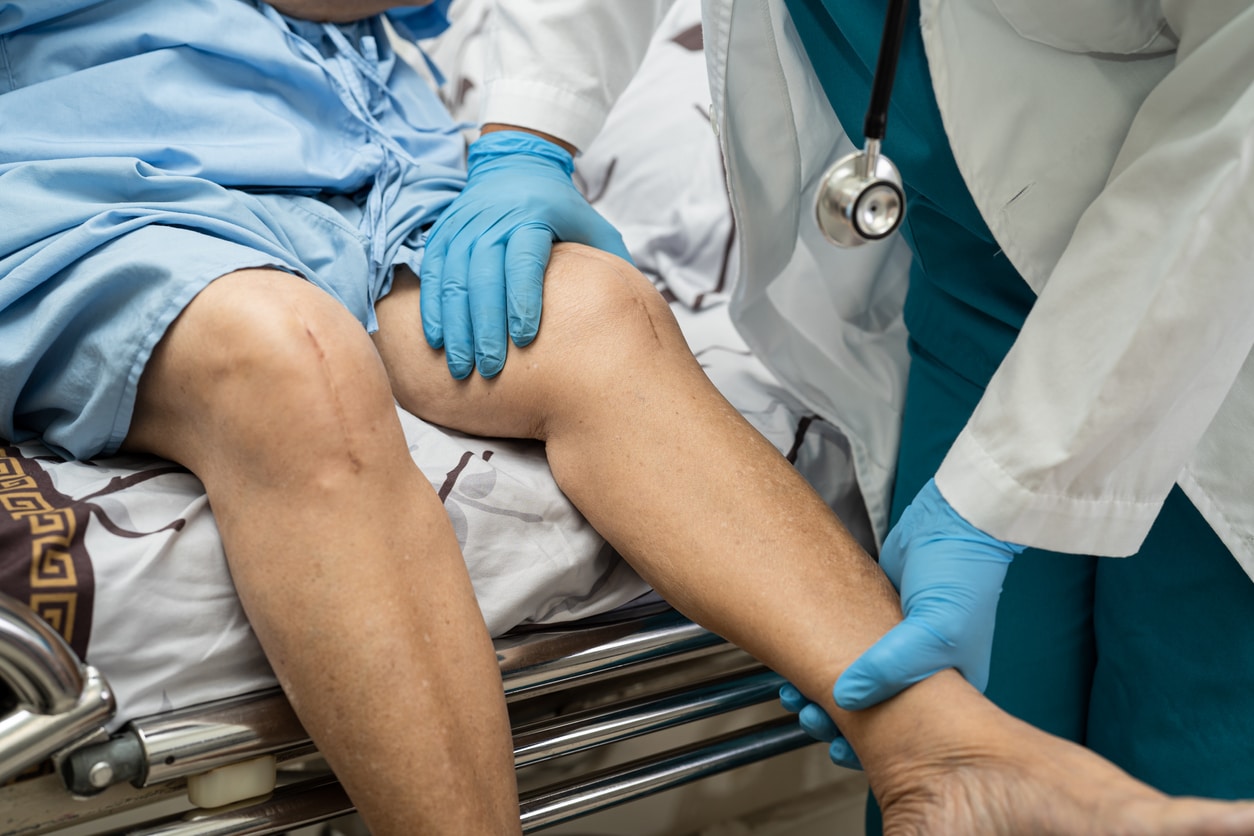
In recent years, advances in orthopaedic medicine have transformed the way patients recover from joint and spine conditions. Traditional surgical interventions often required long hospital stays, extensive rehabilitation, and carried higher risks of complications. Today, however, patients have access to comprehensive orthopaedic care & minimally invasive treatment options that not only reduce surgical trauma but also accelerate recovery and improve long-term outcomes.
Understanding Minimally Invasive Orthopaedic Treatments
Minimally invasive orthopaedic procedures are designed to address musculoskeletal issues—such as joint degeneration, ligament injuries, and spinal disorders—using smaller incisions, advanced imaging, and precision surgical techniques. Unlike conventional surgeries, which may involve large cuts and significant tissue disruption, minimally invasive approaches aim to preserve healthy tissue and reduce recovery time.
Some of the most common minimally invasive procedures include:
- Arthroscopic Surgery: Used for knees, shoulders, hips, and wrists, arthroscopy allows surgeons to repair or remove damaged tissue through small incisions, guided by a camera inserted into the joint.
- Minimally Invasive Spine Surgery (MISS): Procedures like microdiscectomy or spinal fusion can relieve nerve compression or stabilize vertebrae with reduced tissue disruption.
- Robot-Assisted Joint Replacement: Advanced robotics assist surgeons in performing precise joint replacements, minimizing errors and promoting faster recovery.
- Endoscopic Carpal Tunnel Release: Treating nerve compression in the wrist without large incisions, reducing postoperative pain and scarring.
These techniques are increasingly preferred due to their proven ability to reduce postoperative pain, shorten hospital stays, and allow patients to return to daily activities sooner.
The Advantages of Combining Comprehensive Orthopaedic Care With Minimally Invasive Treatments
A key factor in patient recovery is not just the surgical procedure itself but the holistic approach to care. Comprehensive orthopaedic care & minimally invasive treatment involves integrating diagnosis, treatment, and rehabilitation to ensure optimal outcomes. Here’s how this combination benefits patients:
- Accurate Diagnosis and Personalized Treatment Plans
Comprehensive care begins with an in-depth assessment, often using advanced imaging like MRI or CT scans, combined with physical examinations and patient history. This thorough evaluation enables orthopaedic specialists to determine the most effective minimally invasive approach for each individual. - Reduced Pain and Faster Recovery
Smaller incisions and targeted procedures minimize trauma to muscles, ligaments, and surrounding tissue. Patients typically experience less postoperative pain, fewer complications, and a quicker return to mobility compared to traditional surgeries. - Lower Risk of Infection and Complications
Because minimally invasive procedures involve smaller incisions, the risk of infection and other complications is significantly reduced. Additionally, shorter hospital stays decrease exposure to hospital-acquired infections. - Improved Long-Term Joint and Spine Health
By preserving more of the body’s natural structures, minimally invasive treatments support better long-term function. Patients are less likely to experience scar tissue buildup, joint stiffness, or adjacent tissue damage, promoting sustained mobility and comfort. - Integrated Rehabilitation Programs
Comprehensive orthopaedic care does not end with surgery. Postoperative rehabilitation—including physical therapy, occupational therapy, and targeted exercise programs—is critical. Minimally invasive procedures often allow patients to begin rehab earlier, which accelerates strength recovery, flexibility, and overall functional improvement.
Real-World Applications and Patient Success Stories
Consider patients with knee osteoarthritis: traditional knee replacement surgeries often required weeks of limited mobility, whereas arthroscopic procedures or partial knee replacements now allow many individuals to walk and regain function within days. Similarly, spine patients with herniated discs or spinal stenosis benefit from microdiscectomy procedures that relieve nerve compression without the extensive recovery time associated with open spinal surgery.
Sports medicine has also embraced minimally invasive orthopaedic treatments. Athletes recovering from ligament tears, such as ACL or rotator cuff injuries, can undergo arthroscopic repairs that enable them to return to training faster while reducing the risk of reinjury.
Choosing the Right Orthopaedic Specialist
The success of comprehensive orthopaedic care & minimally invasive treatment depends largely on the expertise of the orthopaedic team. When choosing a specialist or clinic, patients should look for:
- Board-certified surgeons with experience in minimally invasive techniques.
- Facilities equipped with advanced surgical tools and imaging technology.
- A multidisciplinary approach, integrating orthopaedic surgeons, physical therapists, and pain management specialists.
- Proven patient outcomes and positive testimonials highlighting recovery speed and quality of life improvements.
The Future of Orthopaedic Care
Technological advancements continue to expand the possibilities for minimally invasive procedures. Robotics, augmented reality, and enhanced imaging techniques are making surgeries even more precise, predictable, and tailored to individual anatomy. Furthermore, regenerative medicine—such as stem cell therapy and biologics—is increasingly integrated into comprehensive orthopaedic programs, supporting tissue repair and long-term joint health.
Conclusion
The integration of comprehensive orthopaedic care & minimally invasive treatment represents a major shift in musculoskeletal medicine. By minimizing surgical trauma, accelerating recovery, and focusing on personalized rehabilitation, these approaches are transforming outcomes for patients with joint and spine conditions. Whether dealing with degenerative joint disease, sports injuries, or chronic spinal issues, patients now have access to treatments that prioritize function, comfort, and quality of life. For those considering orthopaedic intervention, exploring minimally invasive options within a comprehensive care framework can make the difference between prolonged recovery and a swift return to mobility and daily activity.